
How to scale complex, high-volume fulfillment with smart automation
Modern fulfillment operations must manage growing order volumes, increasing SKU complexity and rising end customer expectations at the same time. Delivery windows are becoming shorter, demand patterns more volatile and operational scalability more difficult to achieve through manual processes alone.
Traditional warehouse models increasingly struggle under these conditions. Especially in e-commerce and omnichannel environments, fulfillment centers must process thousands of different products quickly, accurately and reliably while maintaining operational flexibility during peak periods.
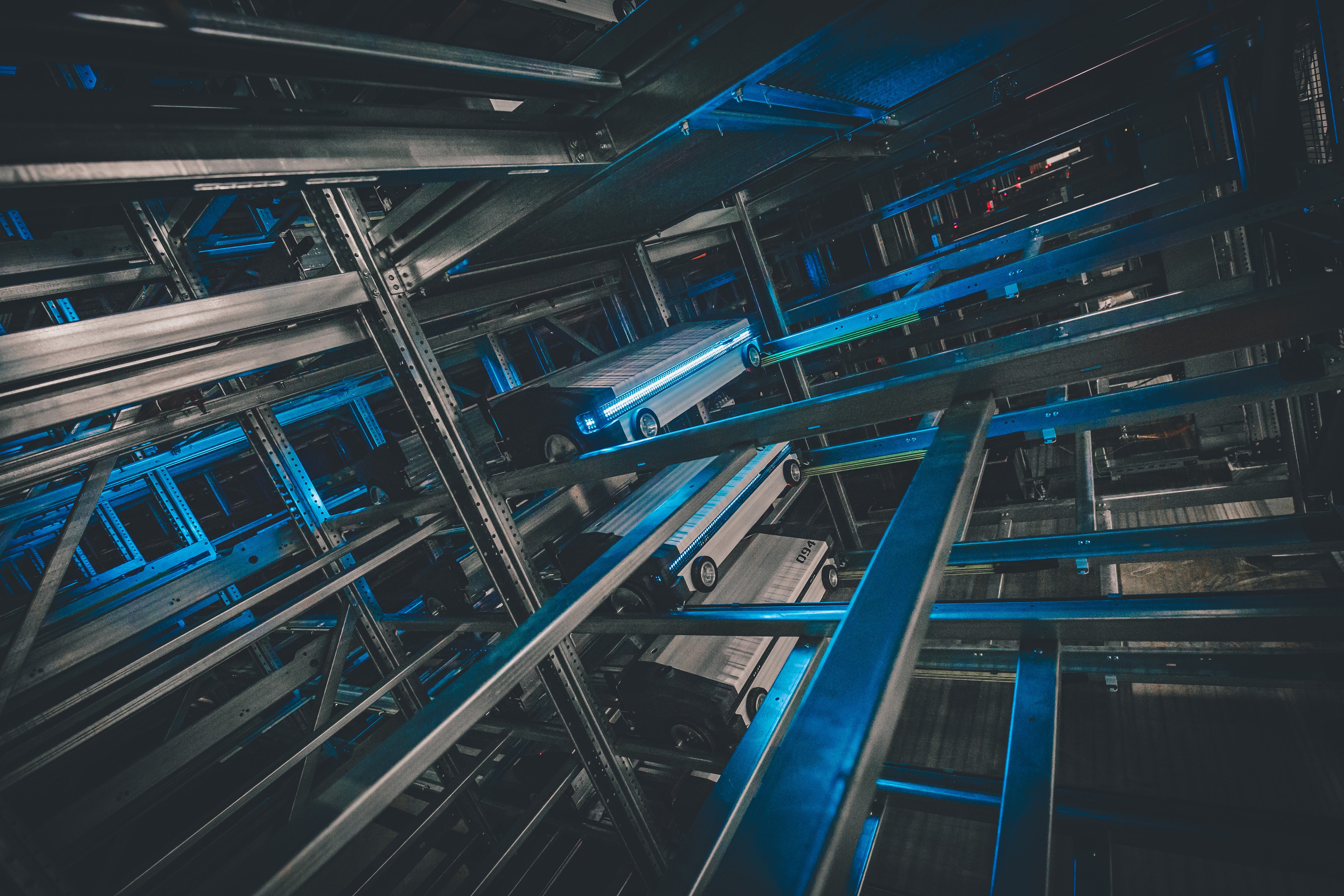
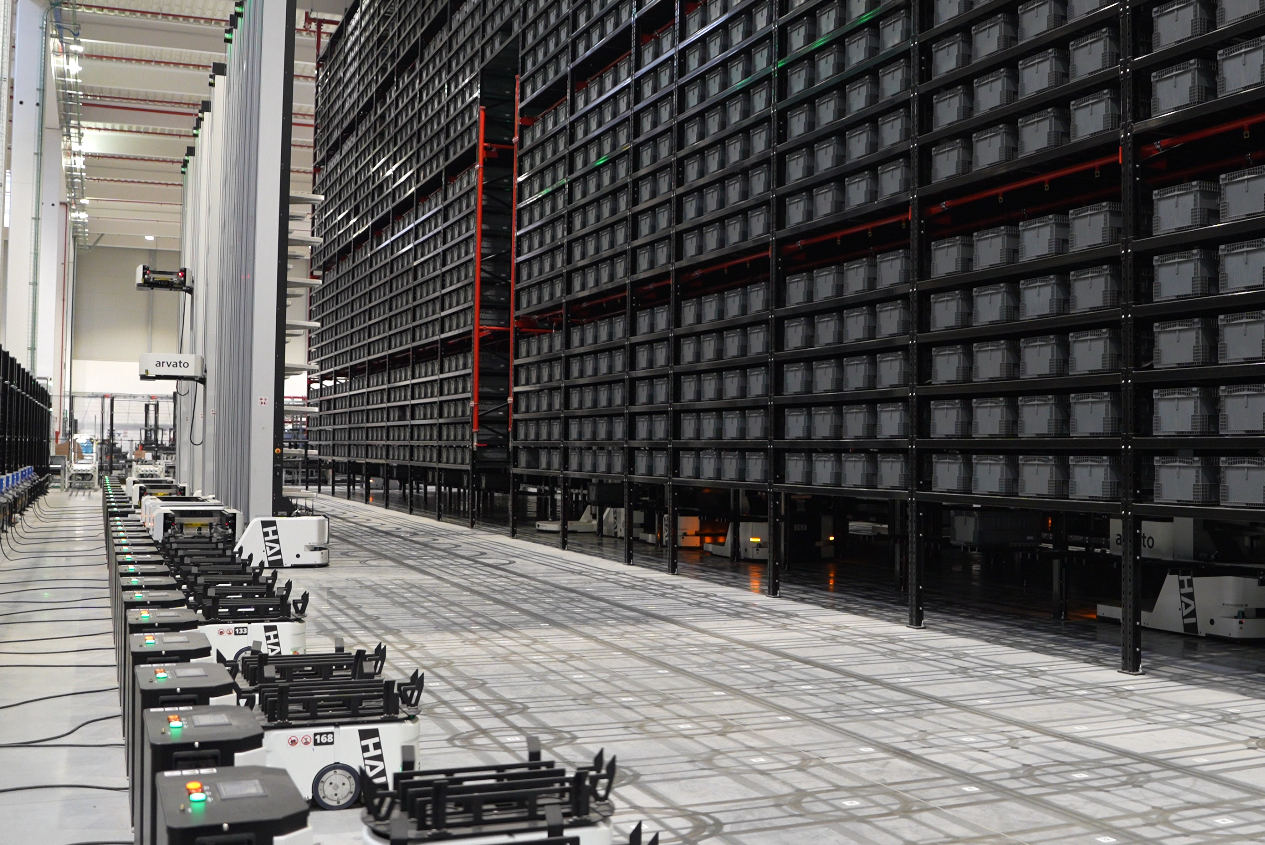
Smart automation helps companies scale fulfillment operations more efficiently and more consistently. Technologies such as AutoStore systems, autonomous mobile robots, goods-to-person solutions and AI-supported orchestration platforms help increase throughput, improve storage density and reduce operational complexity across warehouse processes.




Industry research from Gartner, MHI and Supply Chain Management Review shows that companies are increasingly investing in automation to manage growing fulfillment volumes, labor shortages and rising service expectations. Automation is becoming a key enabler for scalable, resilient and high-performance supply chains.
At Arvato, automation is approached as an integrated operational model. By combining robotics, software integration and operational expertise, automation solutions can be scaled across different warehouse environments, industries and regions.

Smart Logistics Automation
High-Volume Fulfillment Enabled by Large-Scale Automation
Why automation matters in complex, high-volume fulfillment
Supply chains have become significantly more dynamic in recent years. E-commerce growth, omnichannel business models and rising service expectations continue to increase operational complexity inside fulfillment centers.
Warehouses today must process growing order volumes while simultaneously managing thousands of different SKUs with varying storage, picking and shipping requirements. At the same time, companies are expected to deliver faster, more flexibly and with consistently high accuracy.
Traditional warehouse models that rely heavily on manual processes increasingly struggle to scale efficiently under these conditions, especially during seasonal peaks or periods of rapid growth. At Arvato, we deploy automation solutions across multiple industries, each with different operational requirements and distribution models.
Automation solutions across multiple industries
Scalable fulfillment requires automation architectures that are adapted to the operational requirements of each industry while remaining flexible for future growth.
How Automated Logistics Improves The Customer Experience
Faster processing times, stable operations and higher process accuracy help ensure that orders are delivered reliably and on time, even during periods of high demand. Automated fulfillment processes also improve inventory transparency, reduce errors and support more consistent execution across sites and regions.
For end customers, this means:
- shorter delivery times
- higher delivery reliability
- improved product availability
- more accurate orders
- better peak-season performance
- more consistent omnichannel experiences
Automation also improves operational resilience. AI-supported orchestration and connected warehouse systems help fulfillment operations respond more dynamically to fluctuating order volumes, seasonal peaks and changing customer expectations. Through modular and scalable automation architectures, capacity can be expanded faster and more flexibly without fundamentally redesigning warehouse operations.
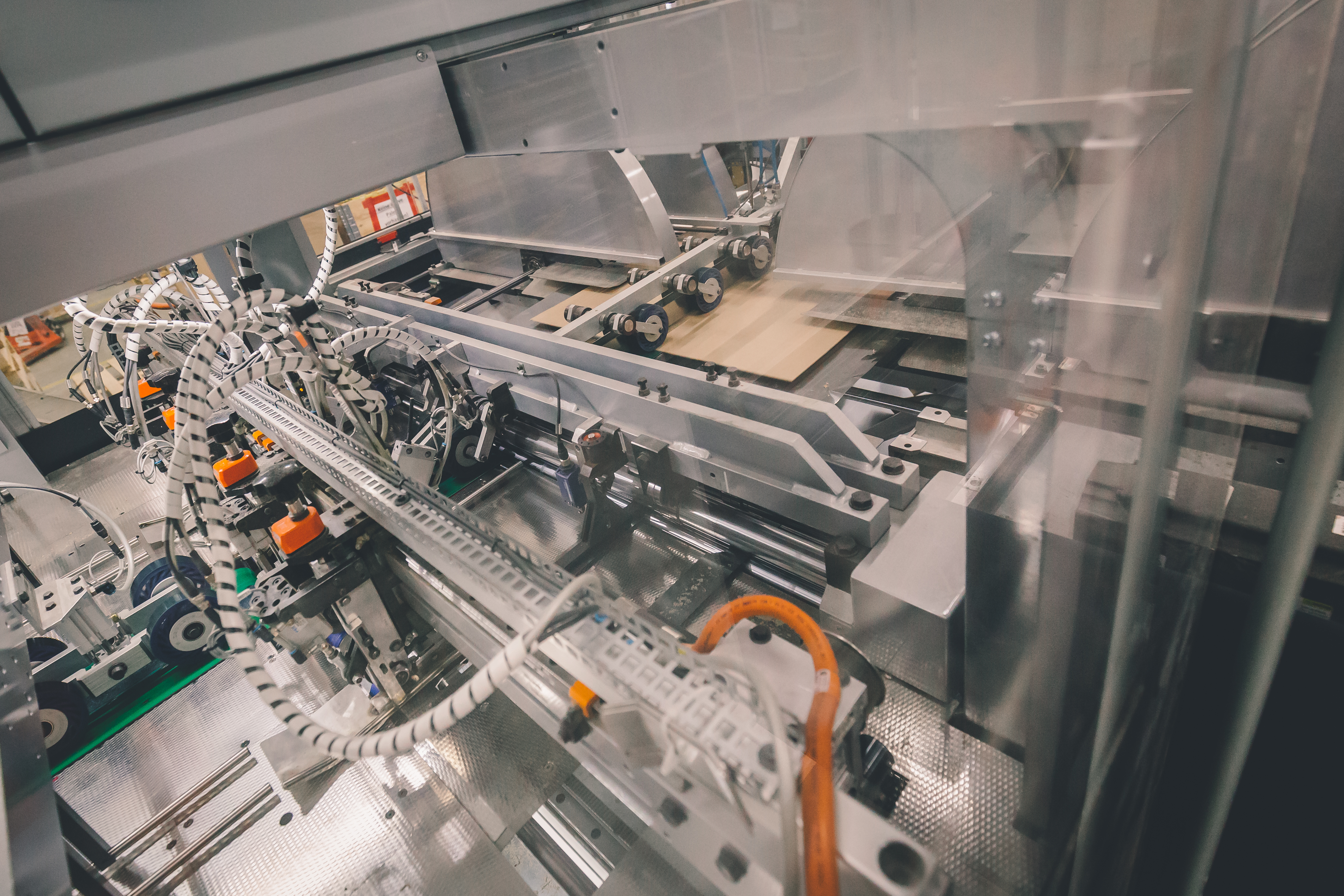
At the same time, automation contributes to more sustainable fulfillment processes. Technologies such as automated packaging systems help optimize carton sizes, reduce void fill and improve resource efficiency. High-density storage systems such as AutoStore also maximize warehouse space utilization while reducing unnecessary movement within operations.
As customer expectations continue to rise, fulfillment performance increasingly becomes a direct competitive differentiator. Automated logistics therefore plays a central role in helping brands deliver the speed, flexibility and reliability that modern consumers expect.
Key technologies linked to high-volume fulfillment:
- Automated storage and retrieval system (ASRS)
- Autonomous mobile robots (AMRs)
- AI-supported orchestration platforms
- Goods-to-person systems
- Robotic picking
- Digital twins
- Automated packaging solutions


