
Why We Love Peak Season
For many companies, peak season in logistics is associated with pressure. Order volumes surge, promotional campaigns shift demand patterns overnight, product launches create uncertainty. Customer expectations reach their highest levels.
For us, peak season means something entirely different. We love peak season. Not because it is easy — it is not. But because it is the moment when everything we have prepared for comes together. It is where expertise, planning, automation and operational excellence are put to the test. And it is where the value of a resilient supply chain becomes visible.
Managing complexity is what we built our solutions for. Whether it is a global product launch, a Black Friday campaign, a seasonal collection launch or an unexpected demand spike, peak season creates exactly the kind of challenges that define great supply chain organizations.
That is why we do not see peak season as something to survive. We see it as something to prepare for, execute and ultimately enjoy. Because peak season is our opportunity to demonstrate what supply chain excellence really looks like. And the most important lesson is this: Success during peak season is earned long before the first order arrives.
Different Peaks. Different Industries. One Common Challenge.
From a general 3PL perspective, peak season is often treated as the one big event towards the end of the year that needs the highest attention. In reality, every industry experiences peaks differently. For technology brands, demand can spike overnight following a product launch or promotions around Black Friday or the Cyber Week. Beauty brands see their major peaks coming with the gift season around November and December. Fashion brands navigate several seasonal collections, inventory allocation challenges and the return flows that often follow major shopping periods throughout the year.
The triggers may differ, but the challenge remains the same. How do you scale quickly, maintain service quality, ensure inventory accuracy and fulfill orders flawlessly when complexity reaches its highest level? This is where resilient supply chains separate themselves from the rest and create outstanding customer experiences.





Consumer Electronics: When Launch Day Changes Everything
For Consumer Electronic brands, peak performance is often linked to successful product launches. Demand can exceed forecasts within hours. Consumers expect immediate availability and flawless delivery experiences. Operations must be capable of scaling rapidly while maintaining speed and accuracy.
When launching new products for WHOOP, we saw how quickly demand can accelerate.
“Launch-driven businesses operate in an environment where demand can exceed expectations within hours. Success depends on the decisions and preparation made months before the first order is placed. Once the launch starts, it is all about execution. And we love execution,” explains Mitat Aydindag, President Tech at Arvato.
-

For technology brands, the challenge is not simply handling volume, but being ready for the unknown.
Mitat Aydindag President TECH at Arvato

Beauty & Luxury: The Moment Consumers Expect Perfection
In beauty and luxury, the biggest peaks are often concentrated into a few critical weeks. Holiday gifting seasons, promotional events and product campaigns can significantly increase demand. The challenge is not only handling higher volumes, but managing thousands of SKUs, ensuring product availability and maintaining the premium experience consumers expect during the busiest shopping periods of the year.
For Douglas, peak season volumes in 2025 were about 2.5 times higher on average during the most important two months towards the end of the year than normal volumes during standard trading periods. In addition to that we also send out a significantly higher number of goods into the stores from September to November. This B2B peak flows seamlessly into the busiest weeks of the B2C business.
But volume alone is only part of the story. Thousands of SKUs, promotional campaigns, gift sets and customer expectations for fast and flawless delivery add another layer of complexity. Managing peaks like that successfully requires accurate forecasting, scalable operations, flexible labor models and a hybrid setup of highly automated fulfillment processes and a flexible and experienced team.
"Customers do not lower their expectations during peak season. In fact, they expect even more. Delivering premium service at significantly higher volumes while ensuring the right products are available when customers expect them is only possible because preparation starts long before Black Friday begins," says Julia Börs, President Beauty & Luxury at Arvato.
-

The customer only sees the final delivery. What they do not see are the months of preparation behind every successful order.
Julia Börs President Beauty & Luxury at Arvato

Fashion: Orchestrating Collections, Inventory and Returns
Fashion operates according to a different rhythm. Seasonal collections, promotional campaigns, weather changes and shifting consumer behavior all influence demand patterns throughout the year. Peaks are rarely limited to a single event. Success depends on balancing flexibility and efficiency at scale.
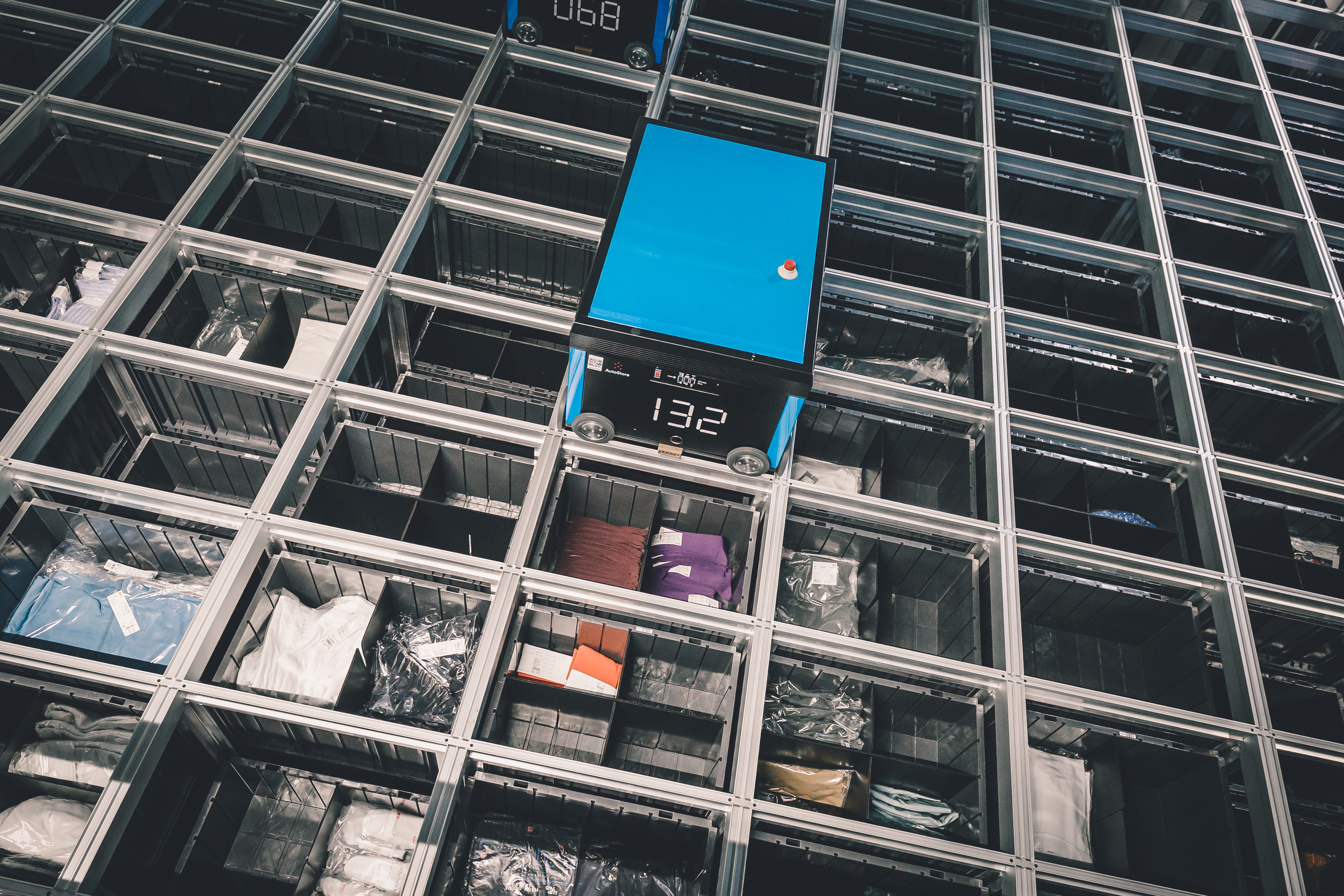
For global fashion brands, supply chains must continuously adjust to changing demand without compromising service levels. Peak periods can drive volumes to around seven times normal levels, often followed by significant return flows after the busiest weeks. Managing these fluctuations successfully requires early planning, inventory availability and operational stability throughout the entire peak cycle.
“Successful peak management begins long before demand enters the warehouse. Our client’s peak periods can drive volume increases of around seven times of the normal volume, often accompanied by significant return flows after the season's busiest weeks. Maintaining inventory availability and service levels throughout these periods is not the result of reacting faster. It is the result of better planning and fast execution,” explains Lidia Ratajczak-Kluck, President Large Scale Fashion at Arvato.
-

Fashion brands need the ability to respond quickly to changing market dynamics while maintaining operational stability.
Lidia Ratajczak-Kluck President Large Scale Fashion at Arvato

Peak Season Is Won Before It Starts
Many organizations experience peak season as a stress test. We see it differently. Peak season is the reward for preparation. Whether it is a technology launch that creates sudden demand, a beauty campaign that drives a surge in orders, or a fashion collection that requires careful inventory management across channels, the principle remains the same. The organizations that perform best during peak periods are the ones that started preparing long before the peak arrived. The months leading up to a launch, promotional campaign or seasonal peak are where success is built. Forecasts are validated, capacity plans are finalized, automation systems are tested, contingency plans are developed, teams are trained and aligned, and fallback scenarios are tested and verified.
When peak season finally arrives, execution should not feel like crisis management. It should feel like a well-rehearsed and orchestrated performance, with every part in the orchestra knowing exactly what to play when. Operational excellence is not created during peak season. It is revealed by it.
The Ultimate Proof Point for Supply Chain Excellence
Peak season remains one of the most demanding tests for any supply chain operation. It is also one of the clearest indicators of resilience. When technology launches outperform expectations, beauty campaigns generate record-breaking volumes or fashion brands navigate seasonal complexity across multiple channels, the organizations that succeed are those that have prepared for complexity instead of trying to avoid it. That is why peak season is our favorite time of year. It is where planning becomes performance. Where expertise matters most. And where managing complexity turns into competitive advantage. Peak season is not something we survive. It is something we prepare for, execute and ultimately embrace.


